Christmas is one of the most celebrated holidays worldwide, embraced by people of various cultures and beliefs. However, numerous misconceptions and myths surround the festive season. From historical inaccuracies to misunderstood traditions, these myths have persisted for centuries. Let’s uncover the truth behind 10 widespread Christmas myths.
Christmas Wasn’t Always on December 25

It might surprise you, but there’s no definitive proof that Jesus was born on December 25. The Bible provides no specific date for His birth. Historical evidence suggests December would have been an unlikely choice, as shepherds were in the fields at the time of His birth—a practice uncommon during the cold winter months. Furthermore, censuses, like the one Mary and Joseph traveled for, typically occurred in September or October.
In fact, Christmas wasn’t recognized as a holiday until the fourth century when the church selected December 25 to counter pagan winter solstice celebrations. Scholars believe Jesus’ birth likely occurred in late September.
“Jingle Bells” Wasn’t Written for Christmas
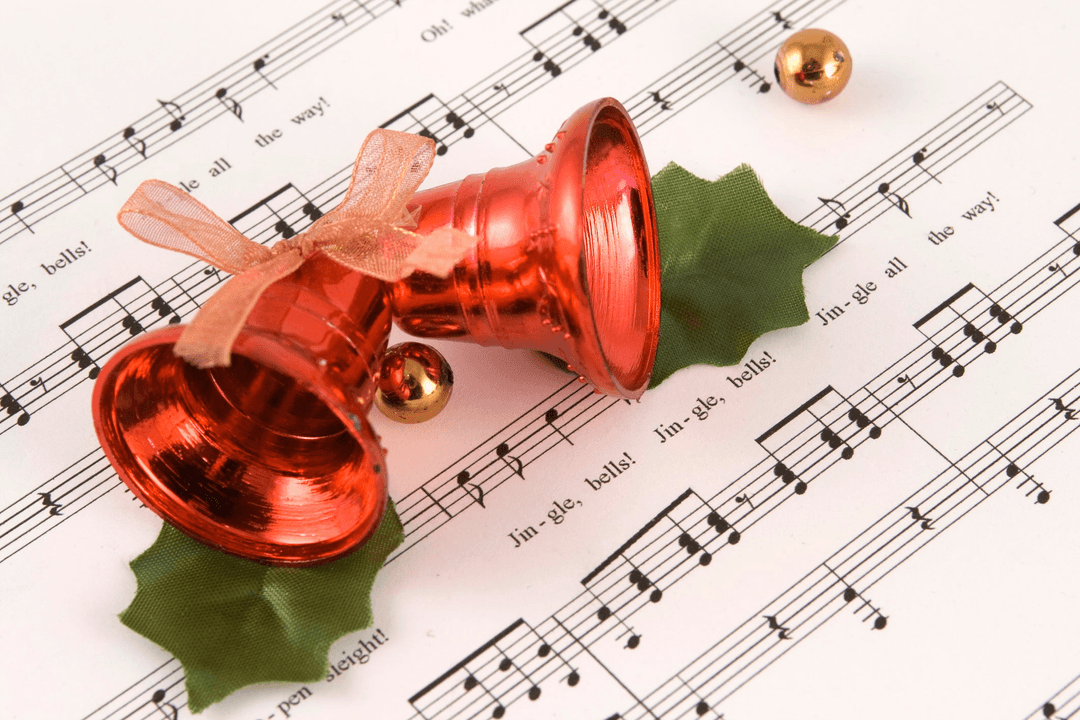
While we sing “Jingle Bells” as a Christmas classic, its origins lie in Thanksgiving. Written in the 1850s by James Lord Pierpont, the song, originally titled “One Horse Open Sleigh,” was inspired by the sleigh races held during Thanksgiving in Medford, Massachusetts. Its association with Christmas came later, but its roots remain tied to a different holiday.
The Myth of the Pickle Ornament
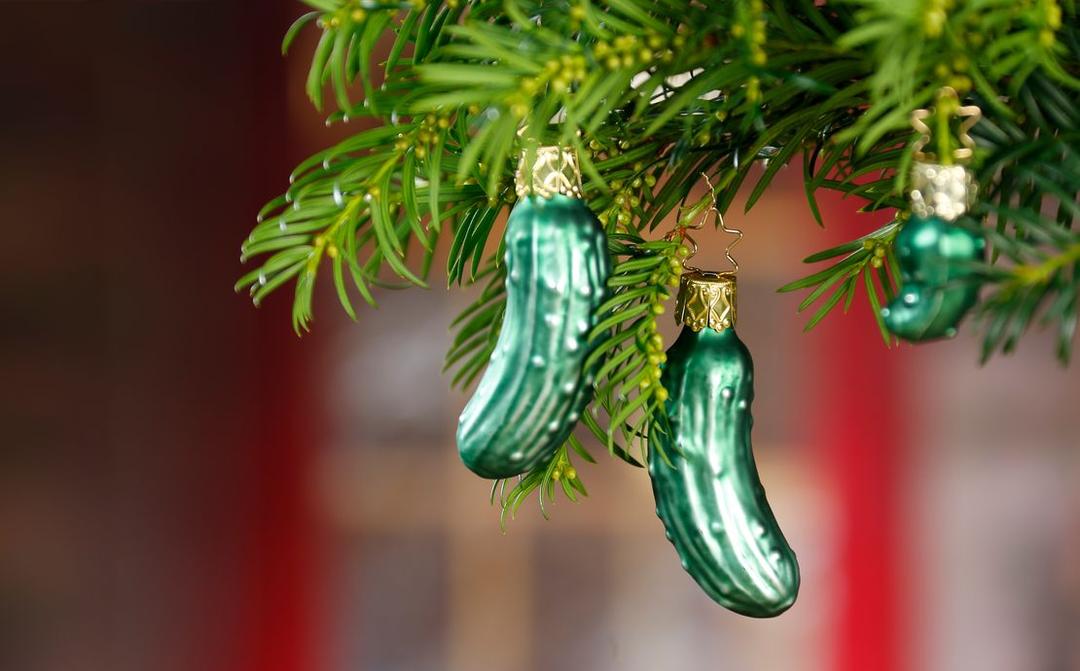
The story goes that German families traditionally hide a glass pickle ornament on their Christmas trees, rewarding the first person to find it with a special gift or good luck. However, most Germans are unfamiliar with this tradition. While glass ornaments—including fruit and nut designs—have been crafted in Germany since the 16th century, the pickle tale lacks historical support. It remains a charming but unsubstantiated story.
“Xmas” Isn’t Sacrilegious

Many people think that using “Xmas” removes Christ from Christmas, but that’s not true. The letter “X” in “Xmas” comes from the Greek letter Χ (chi), the first letter in the Greek word Χριστός (Christos), meaning Christ. This abbreviation has been used by Christians for centuries and is not a modern, secular invention. “Xmas” is simply a shorthand that retains the holiday’s religious essence.
Christmas Trees Weren’t Always Popular

Although decorating Christmas trees is now a central holiday tradition, it wasn’t always so. German immigrants introduced the concept to the U.S. in the mid-18th century, but the tradition didn’t gain widespread acceptance until much later. It even faced resistance; for instance, President Teddy Roosevelt criticized the practice, considering it wasteful. Despite early opposition, the custom became a beloved symbol of Christmas.
Nicholas and Santa Claus Are Not the Same
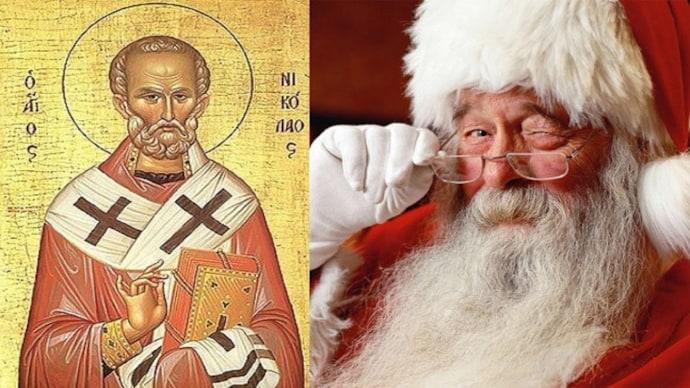
While related, St. Nicholas, Santa Claus, and Father Christmas are distinct figures. St. Nicholas was a fourth-century bishop known for his generosity, particularly leaving coins in shoes or stockings. Father Christmas emerged in 15th-century Europe as a figure of holiday revelry. The modern Santa Claus evolved in the U.S., blending St. Nicholas traditions with Father Christmas and Dutch Sinterklaas stories. Today, Santa Claus embodies all these influences but is a unique creation.
Three Kings Didn’t Visit Jesus at His Birth
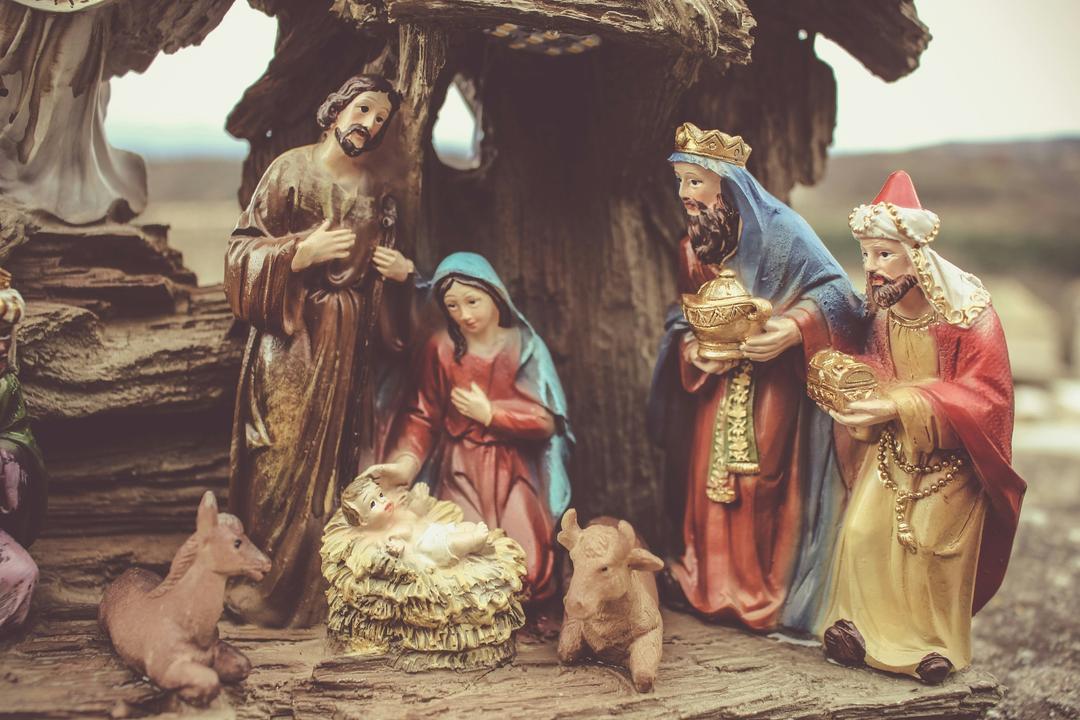
Nativity scenes often depict three kings presenting gifts to Baby Jesus in a manger. However, the Bible only mentions “magi” or wise men, not kings, and doesn’t specify their number. Additionally, they arrived much later, finding Jesus as a young child at home rather than a newborn in a stable. Their names and identities were later embellishments added by tradition.
Christmas Isn’t the Most Important Christian Holiday

Despite its prominence, Christmas is not the most significant Christian holiday. Easter holds that distinction, celebrating Jesus’ resurrection, which symbolizes eternal life for believers. While Christmas marks Jesus’ birth, Easter’s spiritual significance and lengthier celebrations make it the cornerstone of Christian faith.
Students Can Sing Religious Carols in Schools
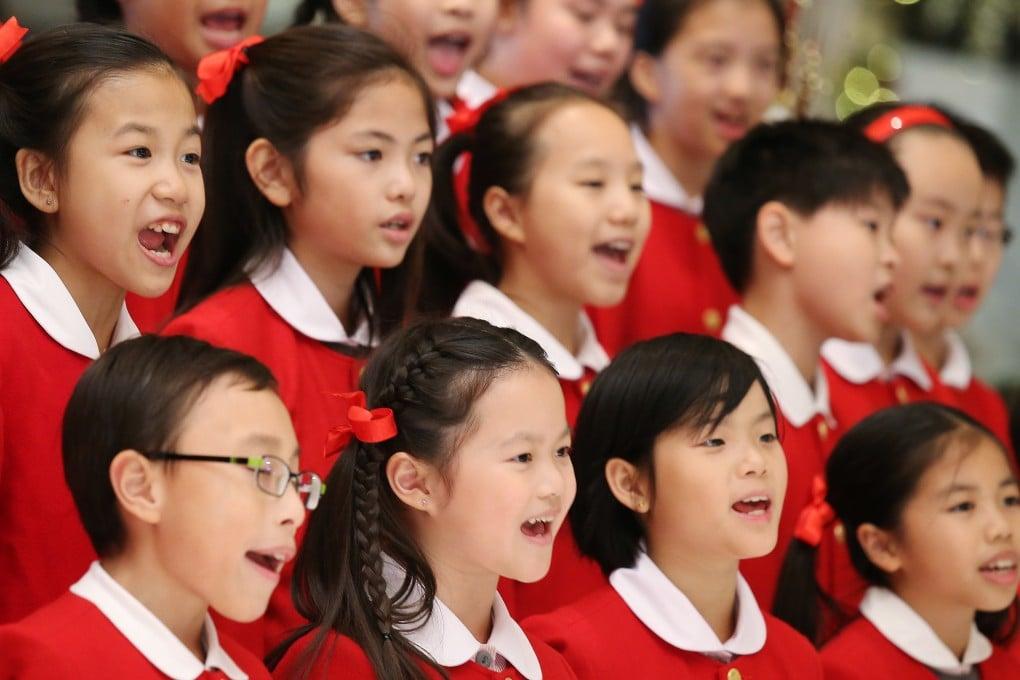
Contrary to popular belief, U.S. public school students can sing religious Christmas carols as long as the program includes secular songs. While some schools avoid religious music to steer clear of controversy, no law or Supreme Court ruling outright bans carols. Individual school policies may vary, but the First Amendment allows for diverse musical expressions.
Boxing Day Isn’t About Returning Gifts

Observed on December 26 in several countries, Boxing Day has nothing to do with boxing up unwanted presents. Its origins lie in the Middle Ages when churches distributed alms to the poor from collection boxes. Over time, it evolved into a day for tipping service workers and later into a day of sports and leisure, particularly in the UK, Canada, and Australia.
Conclusion
Christmas, with its rich history and vibrant traditions, is a blend of fact, myth, and cultural evolution. By unraveling these 10 enduring misconceptions, we gain a deeper appreciation of the holiday’s origins and meanings. Whether celebrating through religious observances or festive customs, understanding the truth behind these myths helps us embrace the season’s true spirit. From surprising origins to misunderstood symbols, Christmas continues to inspire and unite people around the world.
Test your General Knowledge! Visit:https://www.quizzop.com/general-knowledge-quiz/category